
With over 150 breweries worldwide, Heineken is one of the largest beer producers in the world.
One brewery in Seville, Spain produces Cruzcampo, Desperados, Heineken and Amstel brands. The beer is brewed, packaged and then shipped all over Spain and beyond. Packaging manager Juan Padilla Gonzalez implemented 3D printing to improve productivity and efficiency at the brewery.
Optimization of the production line
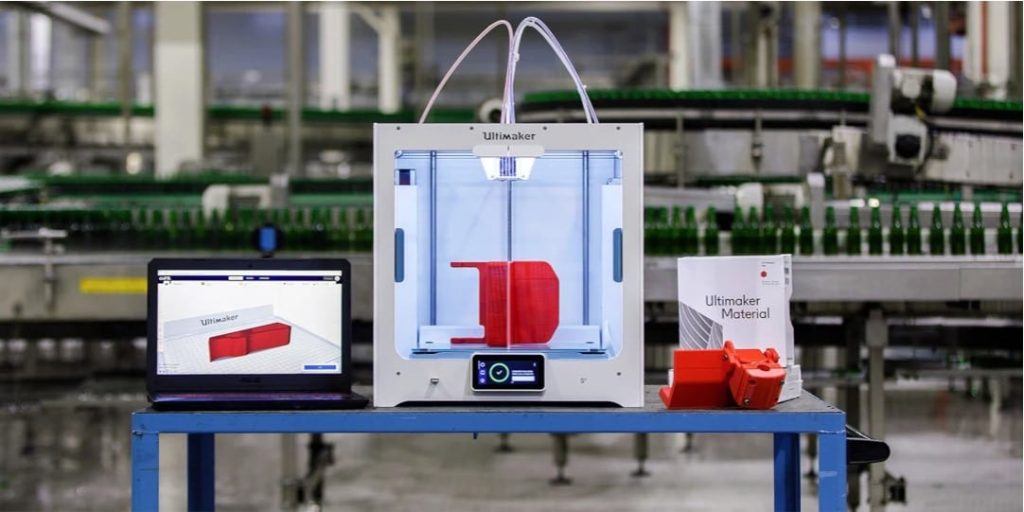
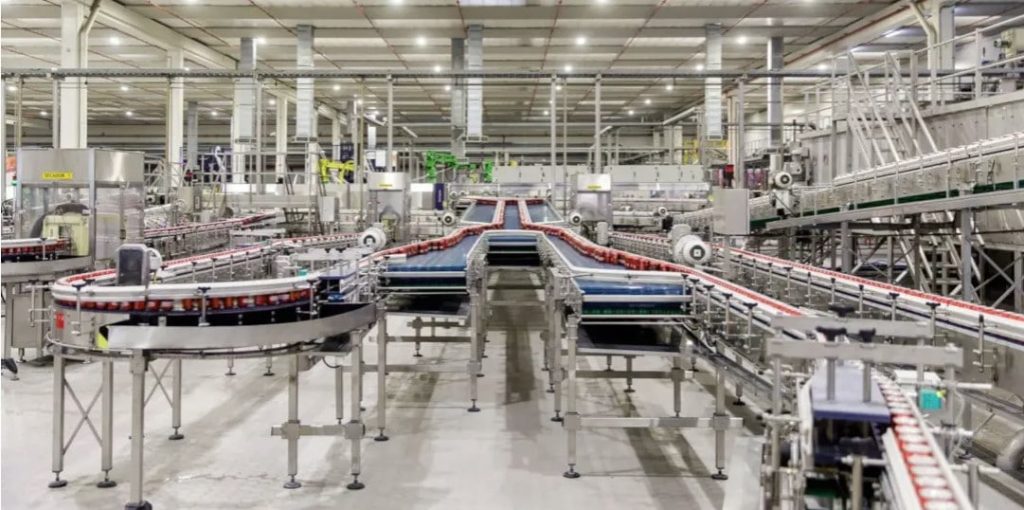
The factory in Seville produces up to 500 million liters of beer per year. But Heineken is always looking for new ways and solutions to improve efficiency. So they began to explore the possibilities of 3D printing. After establishing a 3D printing lab, the team set out to improve the manufacturing process and safety. At Heineken, they started looking for different solutions to optimize the operation of production machines. They soon realized that 3D printing gives them the flexibility and speed they need, but is also inexpensive and easy to implement.
"We are still in the early stages of using 3D printing, but the solutions we have implemented have already resulted in cost reductions of 70% to 90% and delivery times by 70% to 90%."
Safety first
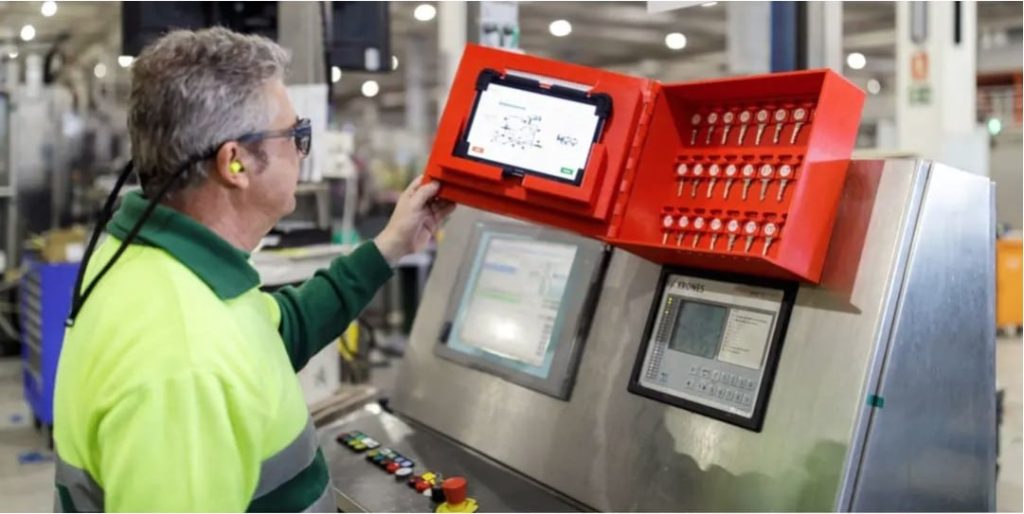
The safety of workers is one of the priorities at Heineken. First, they made safety latches that are used during machine service. When the machines are stopped these safety latches "lock out" preventing someone from accidentally starting the machine while the service is in progress.
The latches are printed on bright red material to make them easy to spot. This application was not only useful but also created awareness among employees about the usefulness and applicability of 3D printing.
Functional parts for the production line
After the initial success with the safety latches, Heineken saw other possible applications for 3D printing.
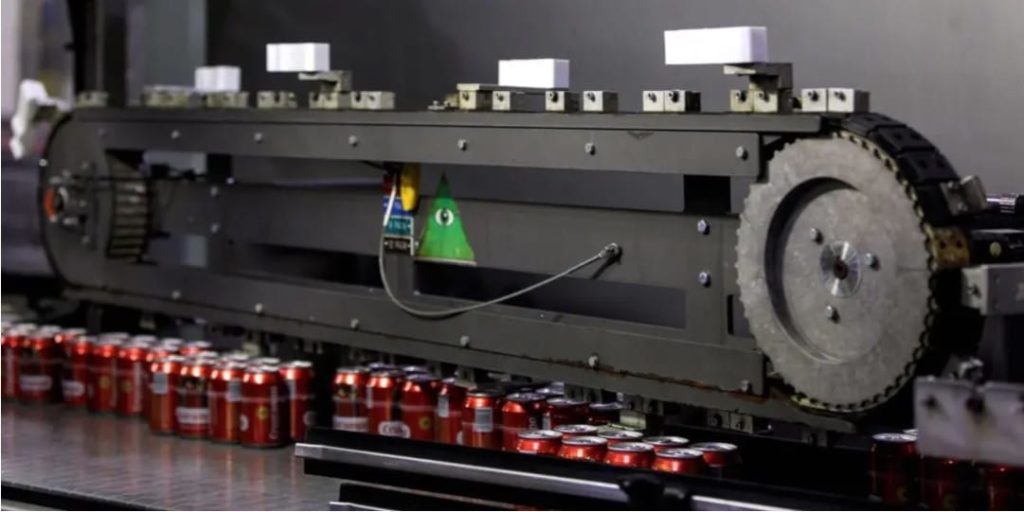
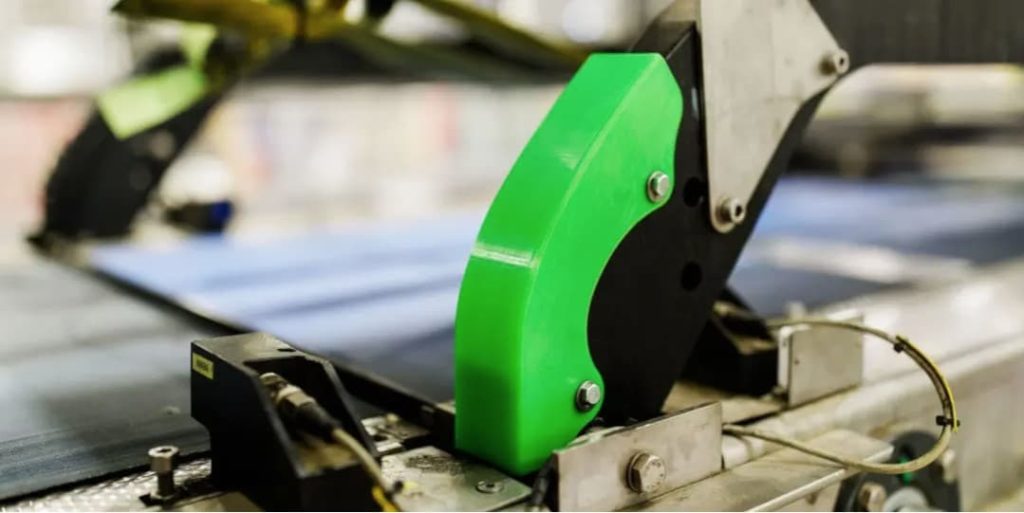
They explored different ideas and designed new parts. First they made spare parts that proved difficult to replace. Obtaining such parts through suppliers or importing them is expensive and takes a very long time. The team immediately realized that 3D printing these parts would save not only time and money, but is able to replace metal parts with plastic ones.
Optimization of part design
A big advantage of 3D printing is that it is easy to perfect the design through modifications and testing. An engineer can quickly create alternative designs and test parts on site, spending very little money and time. Plastic is lighter than most metals, but also very strong and durable when the proper design principles and materials are applied. It is also very easy to change the design to make the part work even better without outsourcing.
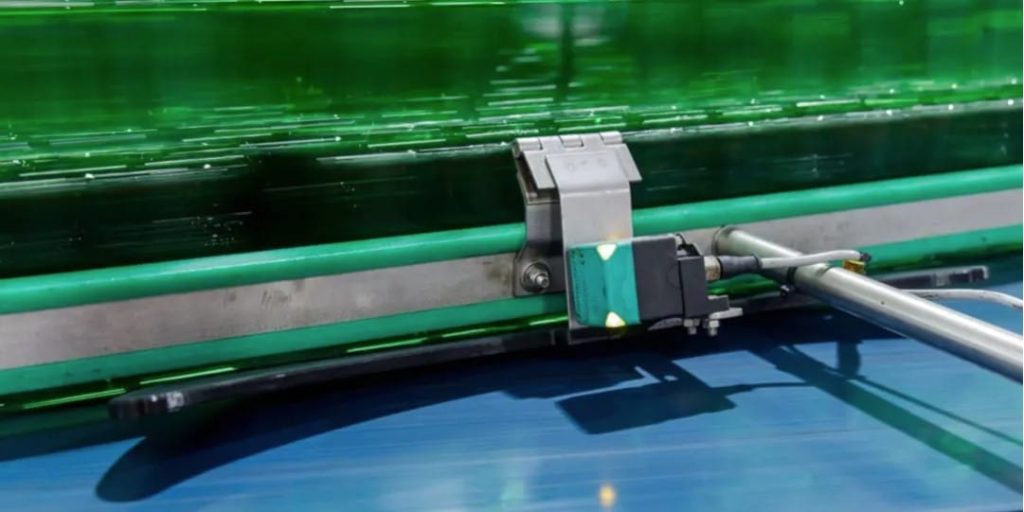
At the brewery in Seville, Juan's team was able to replace various parts with an optimized design. For example, the metal part used with the quality sensor on the conveyor belt often knocked over bottles creating a blockage or throwing good bottles to the ground. A redesigned 3D printed part solved this problem, keeping the bottles safe and saving money and time.
Tools for quality control and maintenance
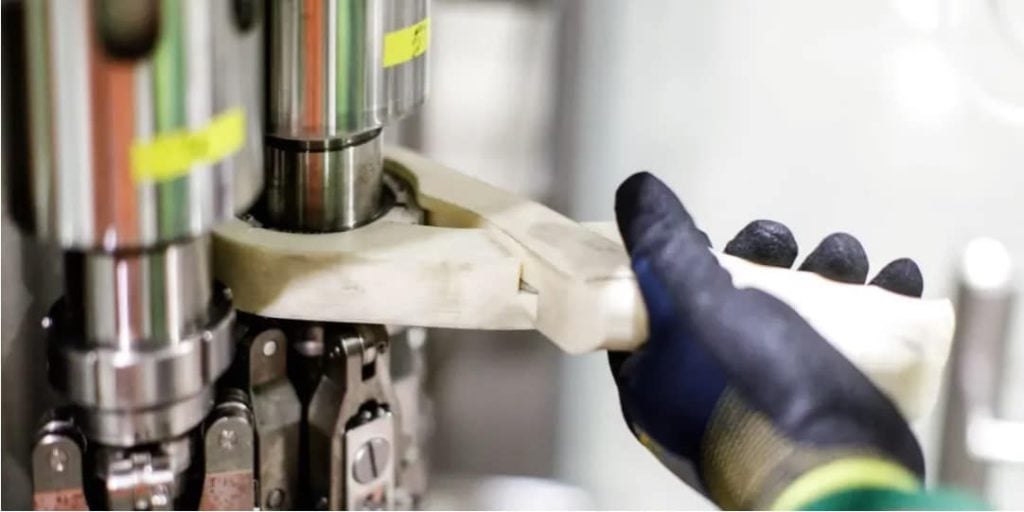
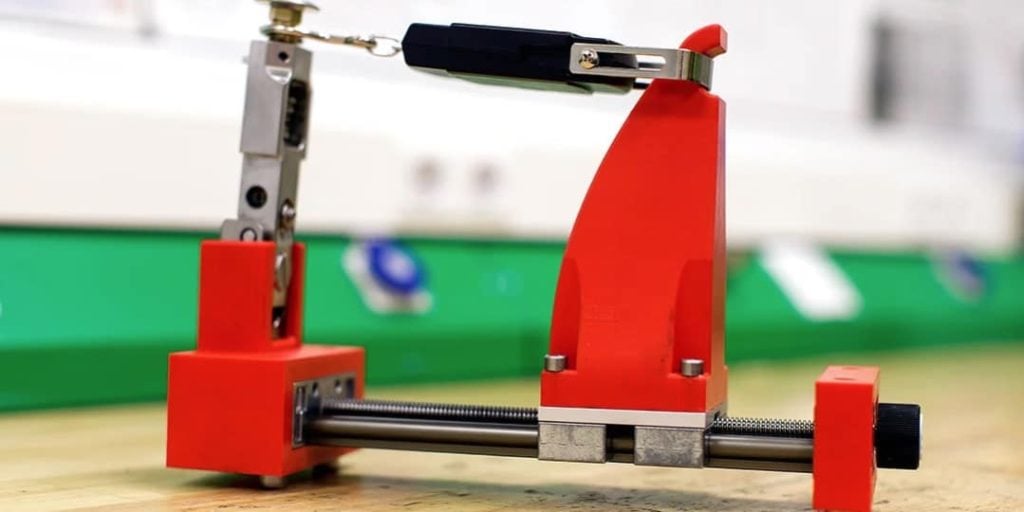
Companies commonly 3D print hand tools and guides. Heineken has created a number of tools to make machine maintenance faster and easier. These tools are typically printed from Tough PLA filament, which prints as easily as regular PLA and has the strength and flexibility of ABS. One of these tools is the stopper tool, which tightens and loosens the guide columns that apply the labels to the bottles. Before 3D printing, this tool was made to order using CNC.
With 3D printing, the cost of making this tool has been reduced by 70% and delivery shortened from three to one day. A simple tool such as a toroidal rubber knife can be printed in less than an hour, whereas it normally takes over 10 days for deliveries when ordered from a supplier.
Selection of appropriate material
The large selection of 3D printing materials has also proven to be very useful at the Heineken factory in Spain. Many printed parts endure stress, high temperatures, moisture or various impacts over a long period of time. Therefore, choosing the right material for the application is very important.
Heineken Spain uses various Ultimaker materials such as Tough PLA, Nylon and semi-flexible TPU 95A. These materials have excellent mechanical properties that guarantee a long life for tools made from them. Tough PLA is used for pushers or tools, and Nylon for parts that should work with metal parts. The flexibility of TPU 95A is ideal for shields and protective parts.
First results
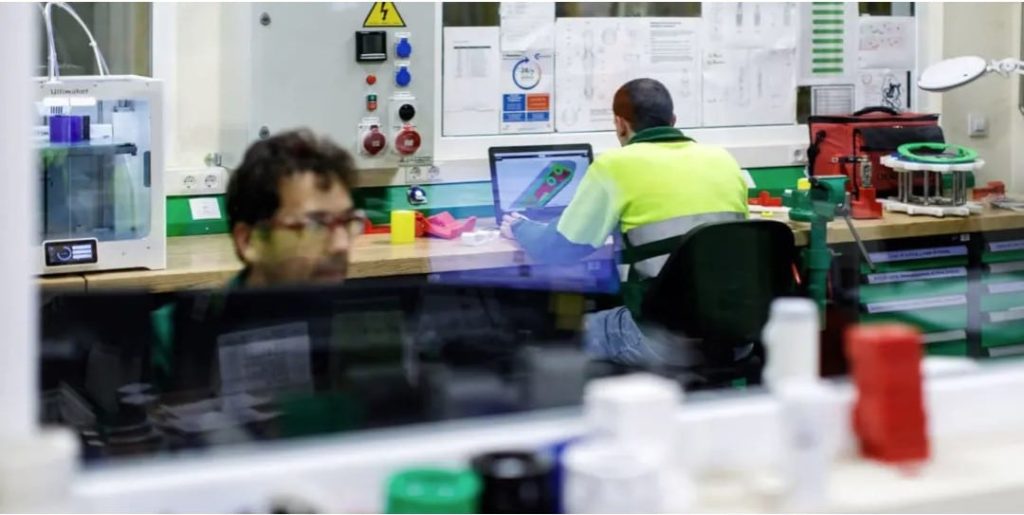
After using the Ultimaker S5 in the Seville factory for a year, Heineken considers this pilot project to be very successful. The results improved worker safety and delivery time while significantly lowering the cost of 3d printed parts.
By 3D printing functional parts for the production line as needed, Heineken was able to optimize functionality and availability. By adapting the design of functional machine parts, Heineken increased the efficiency of the line. Customized tools made service and production changes for employees much easier and faster.
On average, Heineken with 3D printing gets the necessary parts up to 80% faster than using external suppliers. The price of the printed part is up to 80% lower compared to the price of the same part from the supplier.
"3D printing has proven to be a technology that helps us, gives us value and enables our people to be more efficient."
Global adoption of 3D printing
The success in Seville with 3D printing did not go unnoticed. Additive manufacturing has enabled engineers and employees to approach challenges and opportunities from a different angle.
Designs and solutions can be easily shared over the network. This accelerates the global introduction of new applications as parts can be shipped digitally rather than physically. Also, this avoids freight transport costs and reduces the movement of transport, thus reducing the costs of environmental protection.